In 2004, while visiting the Dewa Sanzan area, including Gassan Dai Jinja on Mt. Haguro and Haguro-san Kōtakuji Shōzenin Kogane-do in Haguro-machi, I decided to study classical and traditional arts instead of continuing to practice Aikidō and Kempō.
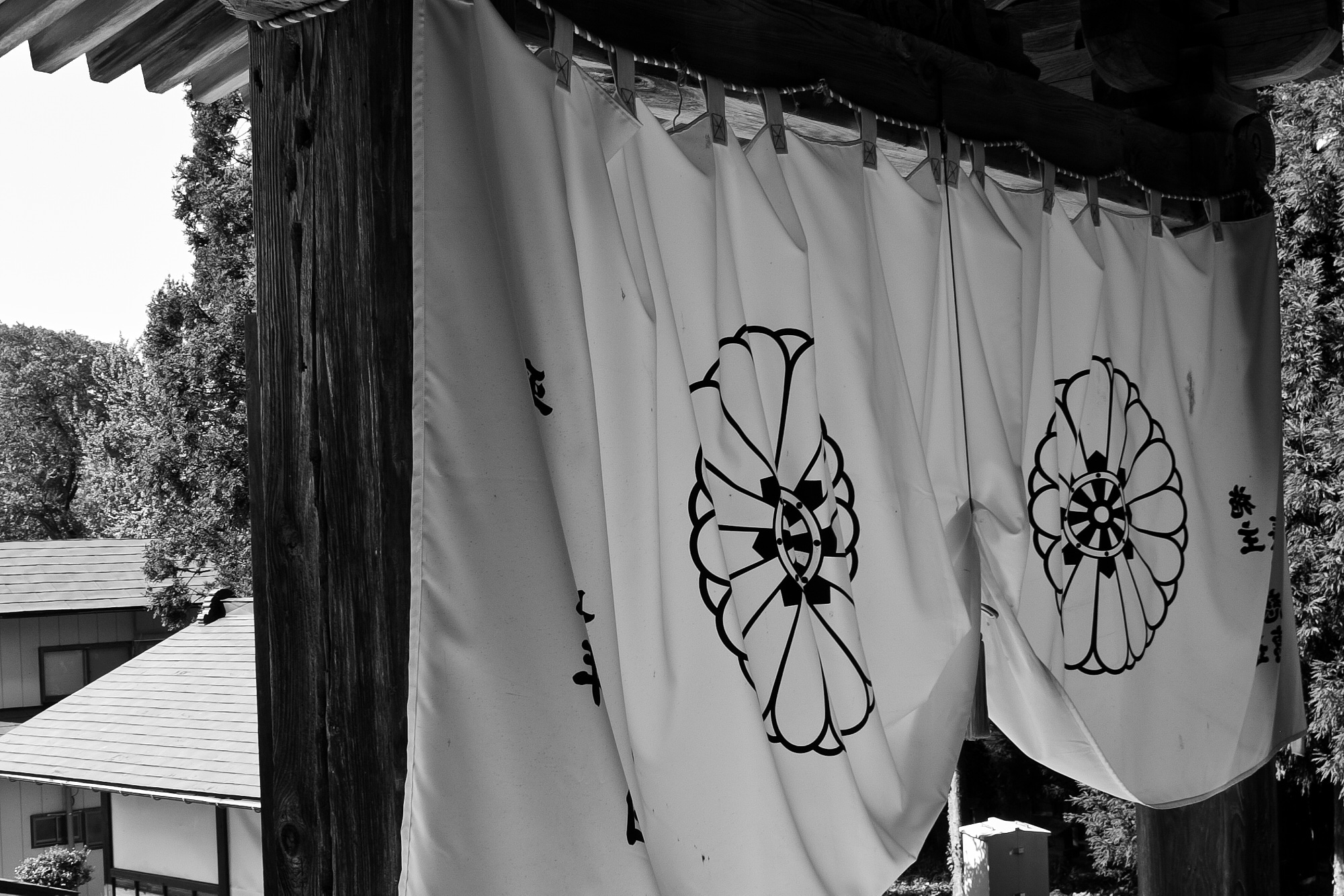
Around that time I began the Inner Dharma writing project. Much of my earlier writing there was concerned with the process of shifting from practicing modern goshin-jutsu influenced by Aikidō to cultivating internal skill. I also furthered my understanding of the context in which I first trained. As I learned more of Bagua, Xingyi and Taiji I reflected on the relationships between the concept of aiki and traditional internal martial arts training.
Over time, as my skill at internal martial arts progressed, I let my original Aikidō and Kempō practice go. I also began learning classical weapons arts from China and Japan.
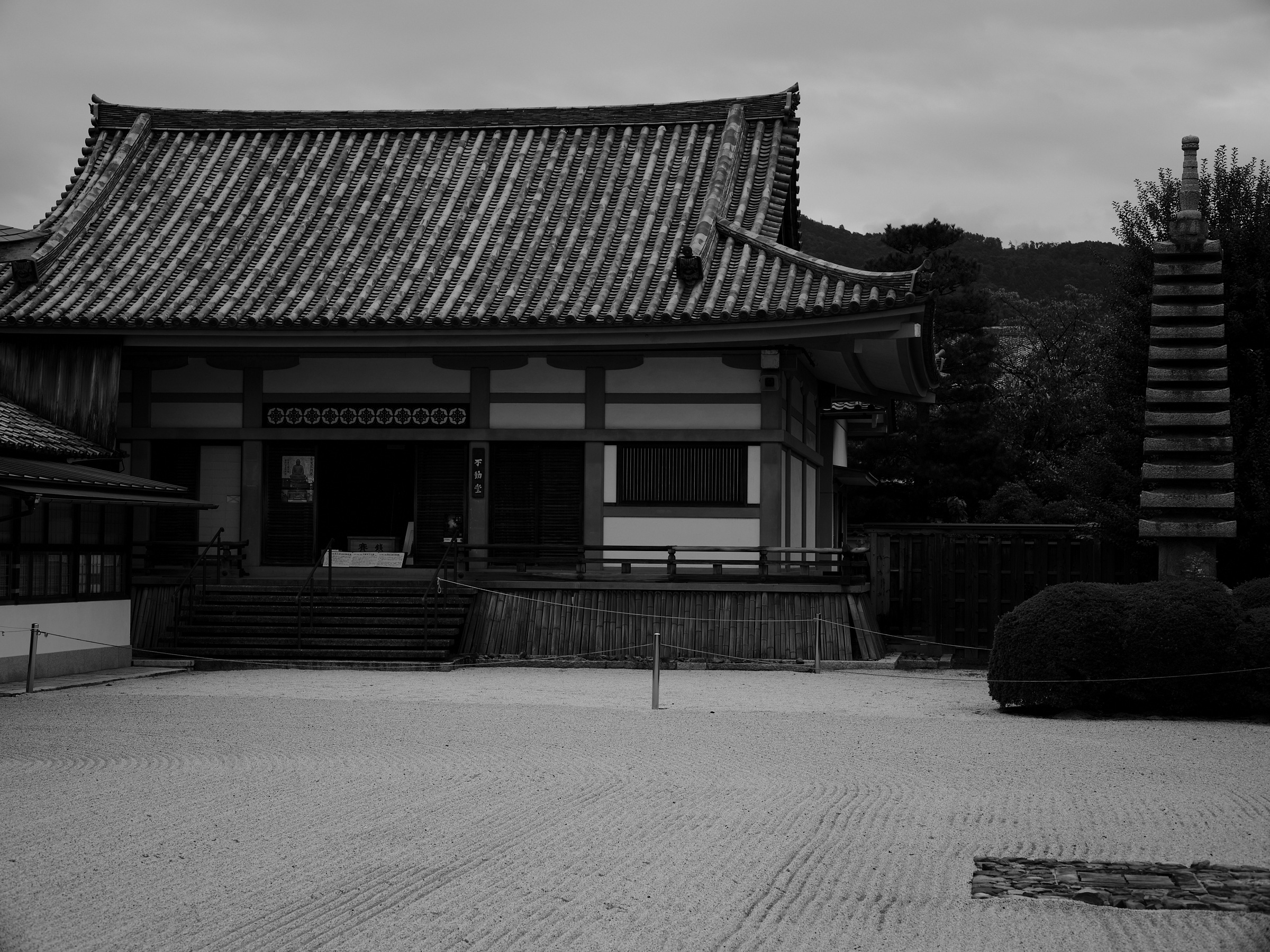
Inner Dharma then served as a place where I could write down my thoughts contrasting like Shintō-ryū and Shinkage-ryū and comparing older to modern methods and approaches. In my own training, as I explored kata, as well as their variation and application, and eventually had the opportunity to pressure test my skill, I decided on a single path to follow.
I began working with a small group to continue my
practice of Shinkage-ryū — I called this activity
the Gassankan [
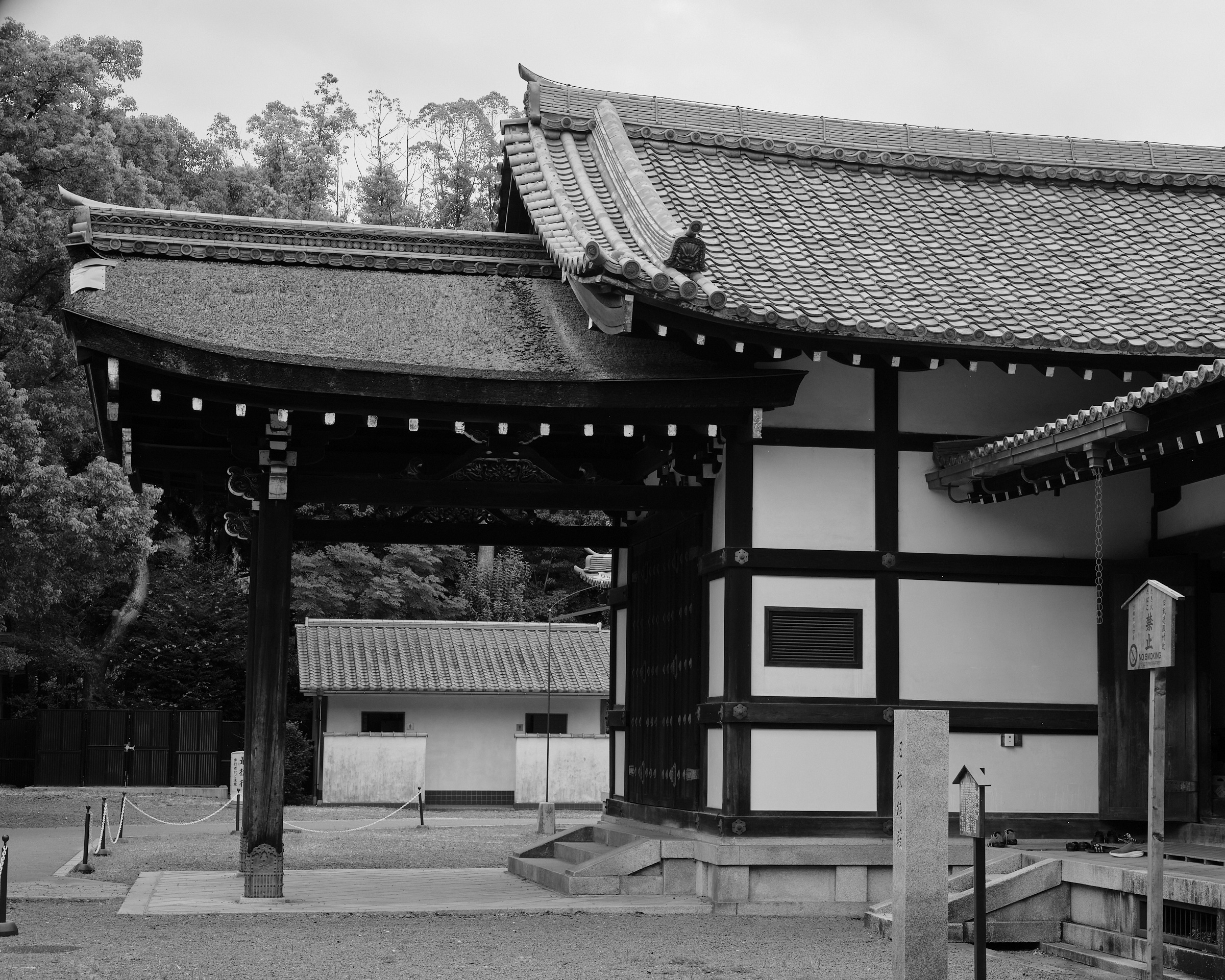
Twenty years after this project began in Dewa, I visited Kyoto, including the seat of Honzan-ha Shugendō not far from the Kyoto Budōkan (the site of the Meiji-era Butokukan) as well as the shrines and temples at Kuramadera, an area associated with several important martial arts figures from Japanese history.
I spent time thinking about my continued endeavors and came to the realization
I needed to focus on continuing to develop my skill at
traditional internal martial arts.
In cultivating a more withdrawn approach to my study,
I am reminded that the final level of practice of
Jikishinkage-ryū, called marobashi or marubashi (
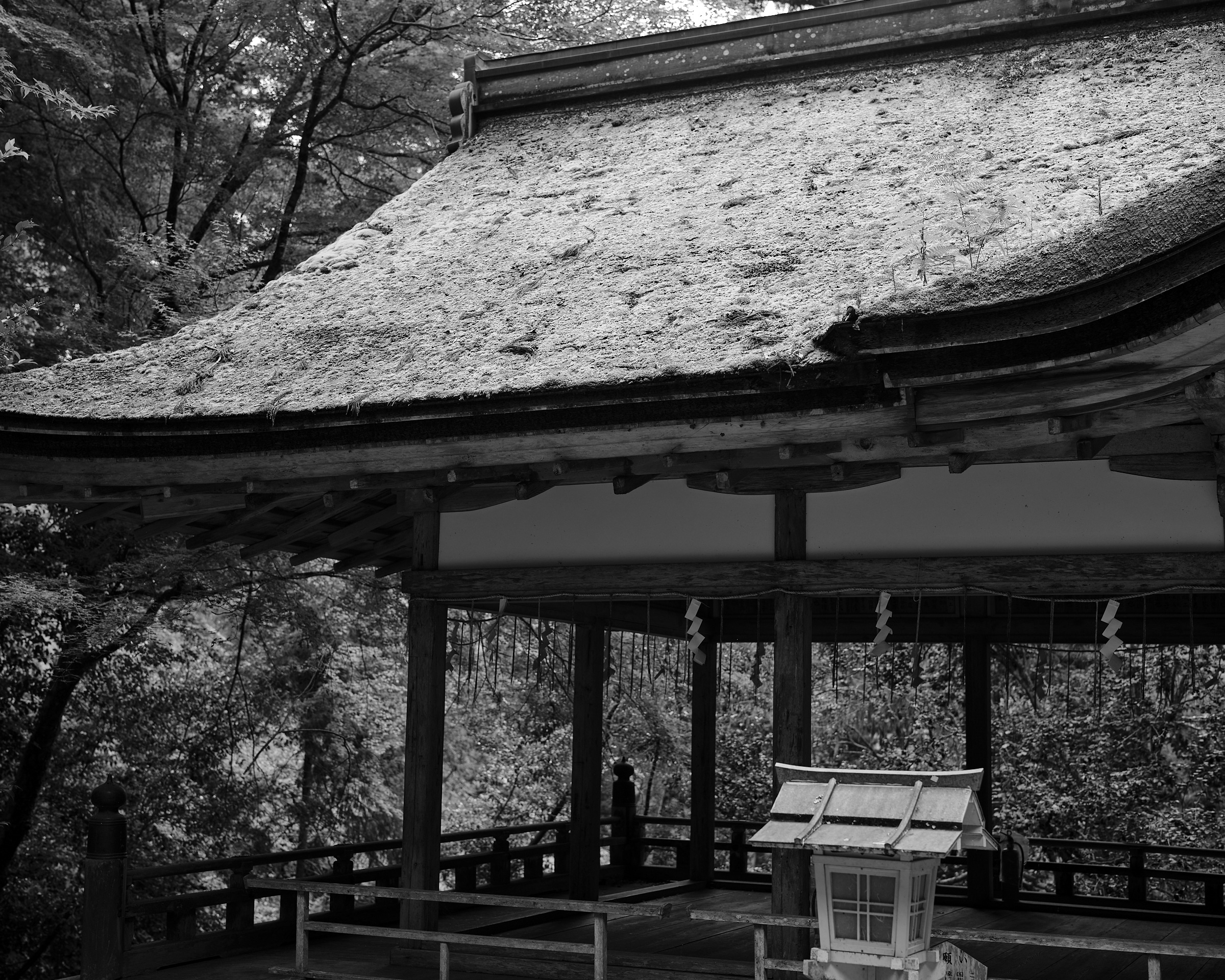
The phrase hyakuren jitoku (
I am grateful for the opportunity to know myself a little better for having trained. I am grateful both for the chance to have worked with several people as my understanding has evolved and for my conversations with experts in the field. I am better for those interactions.
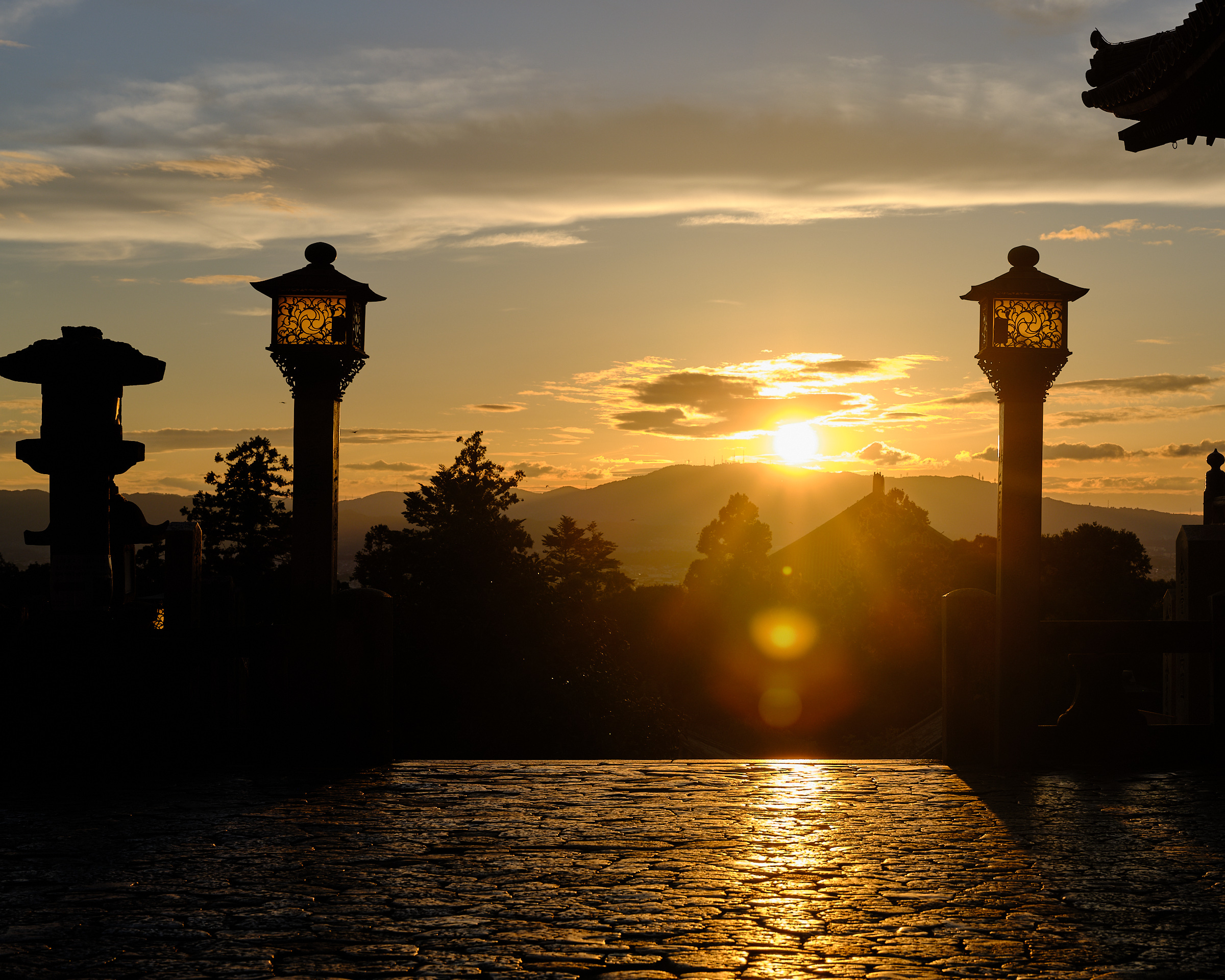
Over time I more strongly feel that each person needs to walk their own path and come to their own decisions about where and how best to train. Looking out from the veranda of the Nigatsu-do, above Todaiji in Nara, I came to the realization that I had completed one chapter and was beginning another.
In doing so, I want to stop and take the the time to thank all the readers of this blog for their feedback and encouragement. I wish you all the best with your training.